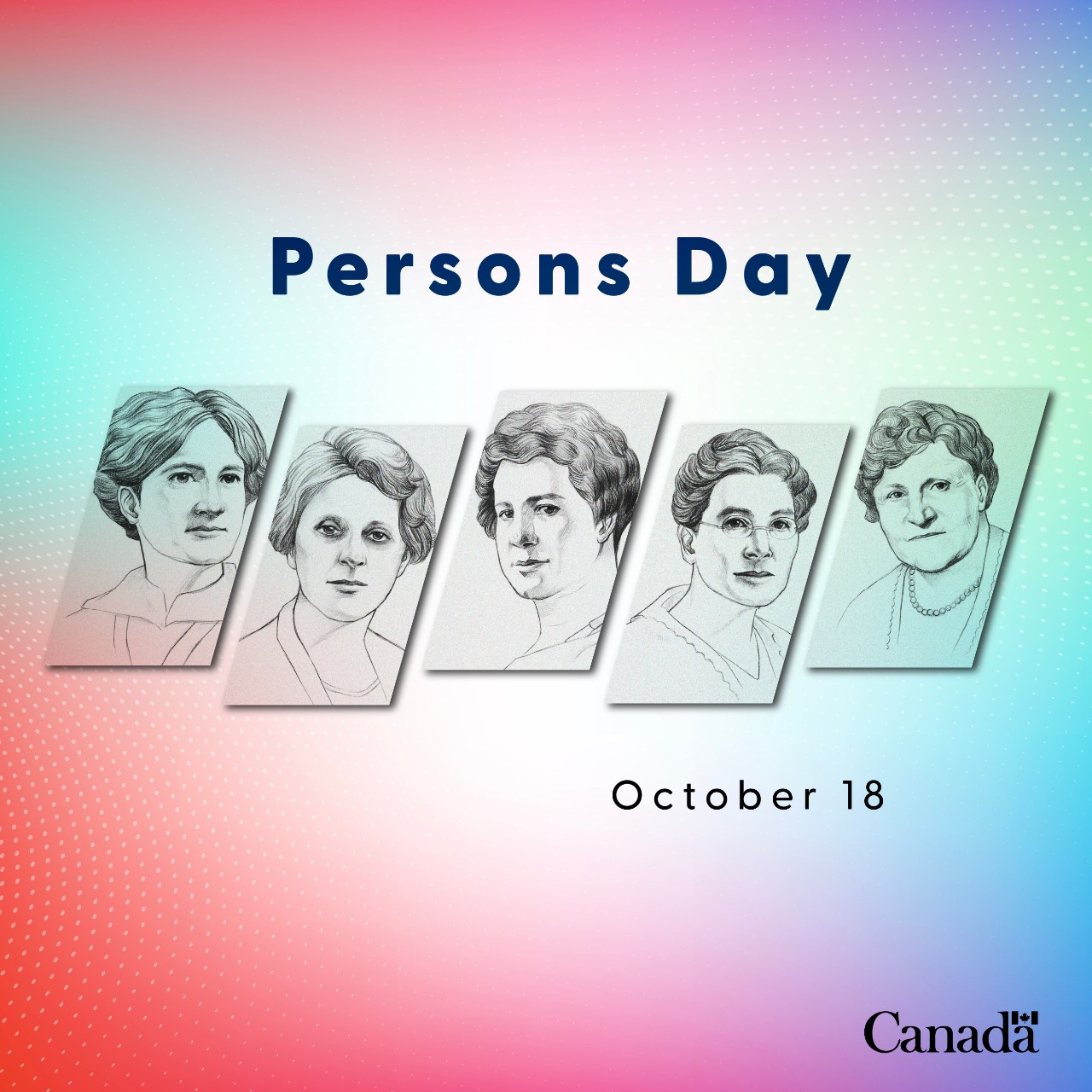
It marks the day in 1929 when the historic decision to include women in the legal definition of “persons” was handed down by Canada’s highest court of appeal. This gave some women the right to be appointed to the Senate of Canada and paved the way for women’s increased participation in public and political life. Though this decision did not include all women, such as Indigenous women and women of Asian heritage and descent, it did mark critical progress in the advancement of gender equality in Canada.
Until 1951: Canada’s federal Indian Act explicitly defined a “person” in its interpretation section as “an individual other than an Indian,” codifying a legal framework that treated First Nations individuals under a separate system instead of allowing them full civic equality.
1951 Amendment: Parliament amended the Indian Act and removed the explicit definition stating that an Indian was not a person, dismantling that specific statutory barrier to legal standing. However, heavy government controls, restrictions on movement, and denial of the federal vote remained.
Suffrage and Full Citizenship Recognition
1960: Status First Nations people finally achieved unconditional federal voting rights without being forced to give up their Indian status, marking a critical benchmark for full political and legal participation as Canadian citizens.
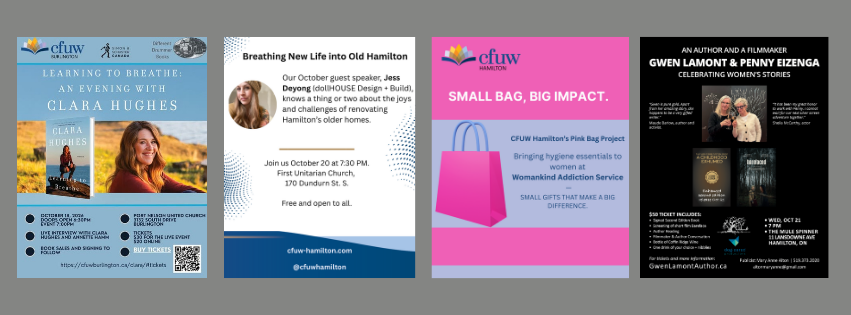
A few things to put on your calendar! From a special event hosted by our friends at CFUW Burlington to an evening with author Gwen Lamont and filmmaker Penny Eizenga along with our own October Speaker and meeting, there’s plenty happening around Hamilton next week.
1. An Evening with Clara Hughes | Sunday, October 18
Our friends at CFUW Burlington are hosting six-time Olympic medallist and author Clara Hughes for a live interview and book signing. Attend in person at Port Nelson United Church or join online.
Coming to the meeting? Please consider bringing hygiene essentials for the women supported by Womankind Addiction Service. These everyday items help women feel safe, cared for and supported as they take steps toward recovery. Every contribution is appreciated!
💜 Still Time to Join or Renew Your CFUW Hamilton Membership!
Whether you’re renewing your membership or thinking about joining us, we’d love to see you!
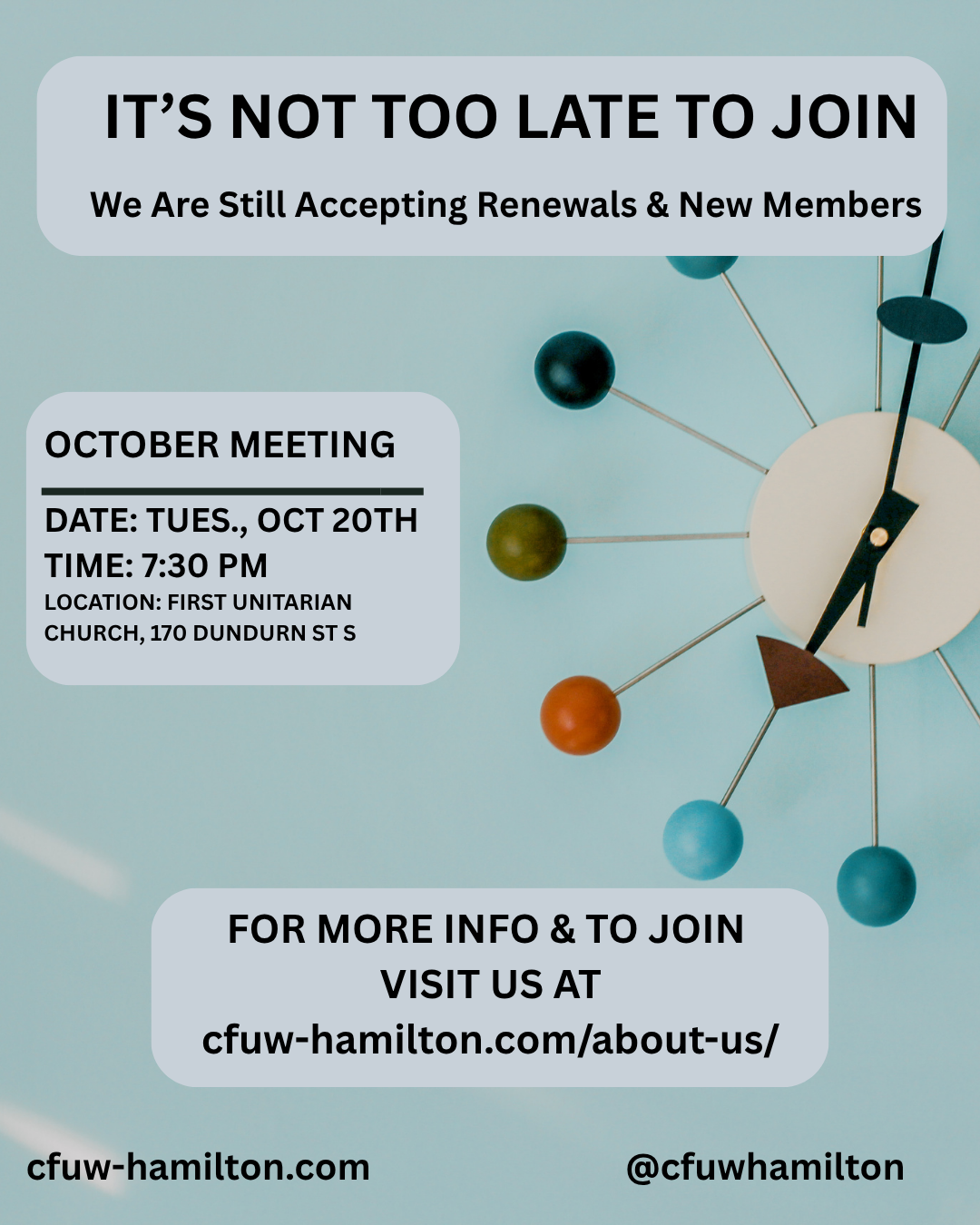
Members will be on hand at our October 20 meeting to accept registration forms and membership dues, and answer any questions you have about the club. Come along, meet a few members and find out what CFUW Hamilton has to offer! For more information visit https://cfuw-hamilton.com/about-us/
3. Author Event : The View from Coffin Ridge | Wednesday, October 21
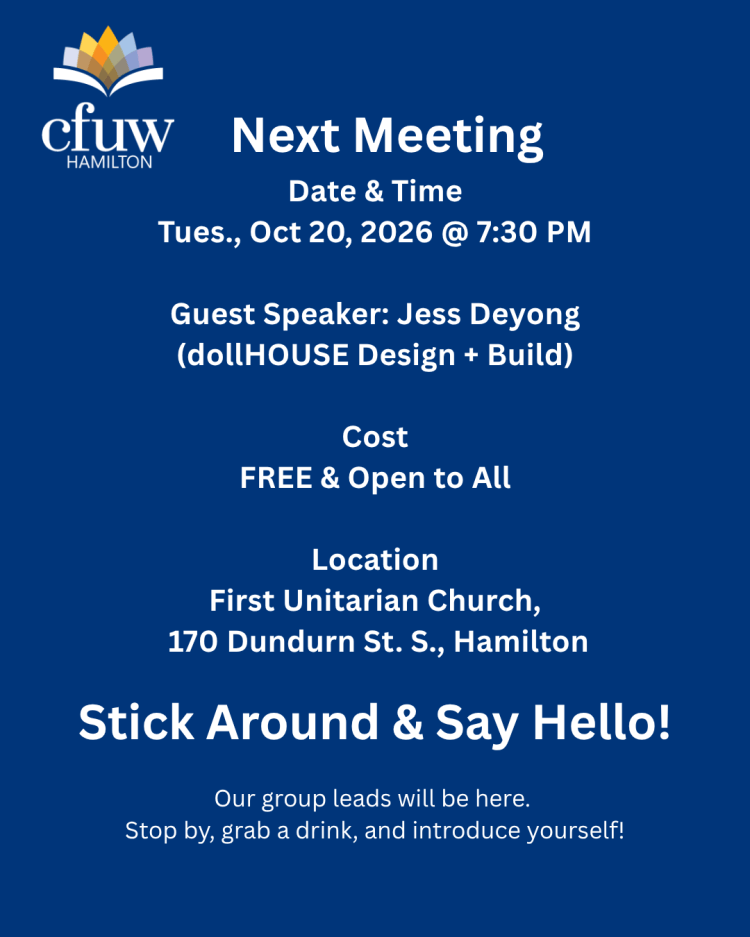
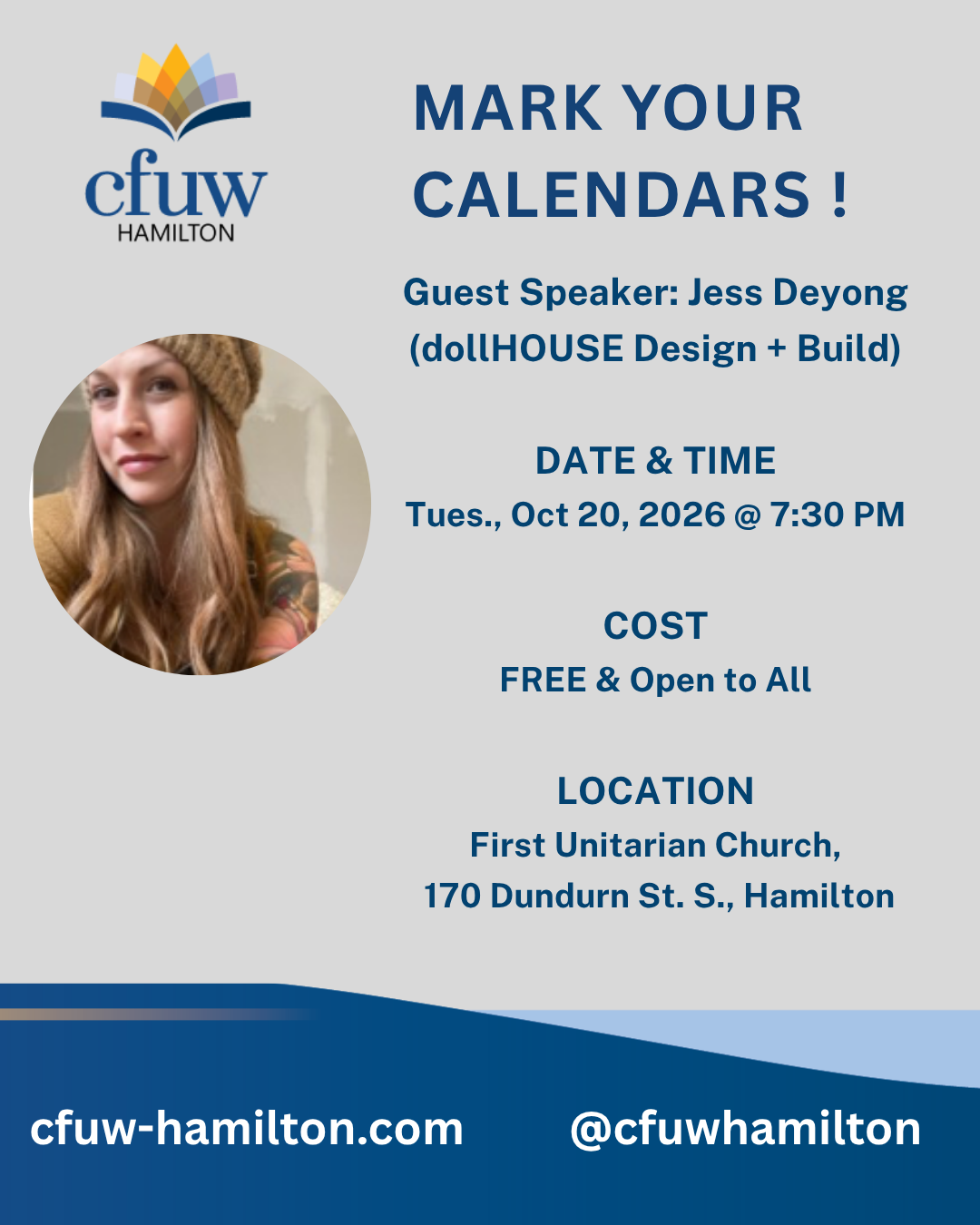
Don’t forget! Join us Oct 20 at 7:30 PM (First Unitarian Church, 170 Dundurn St S)! Speaker Jess Deyong dollHOUSE Design + Build shares insights on breathing new life into old Hamilton homes.
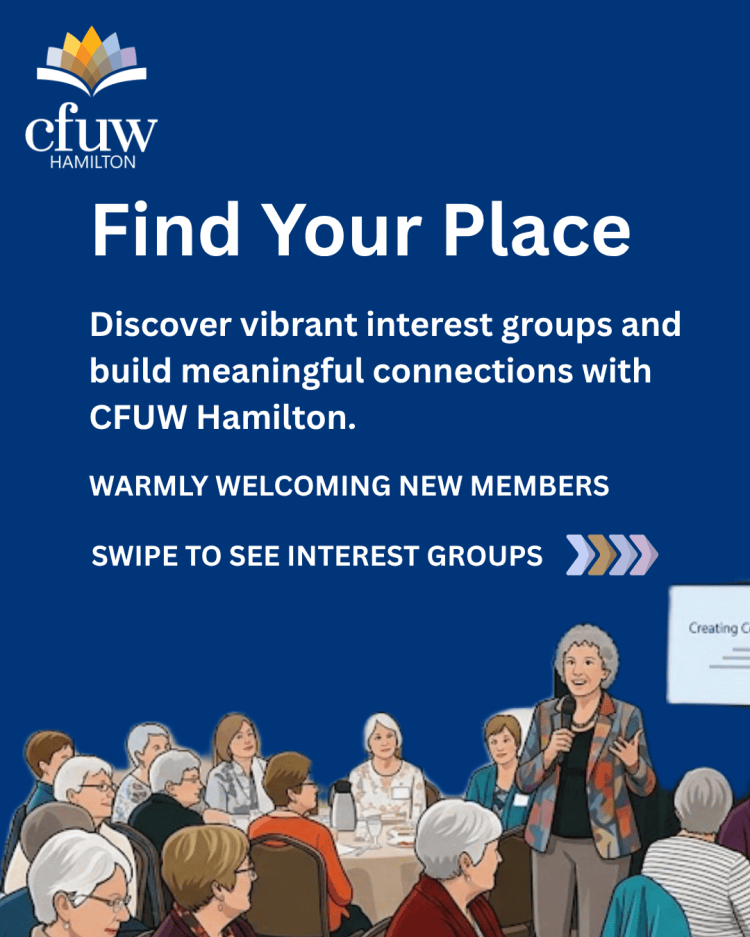
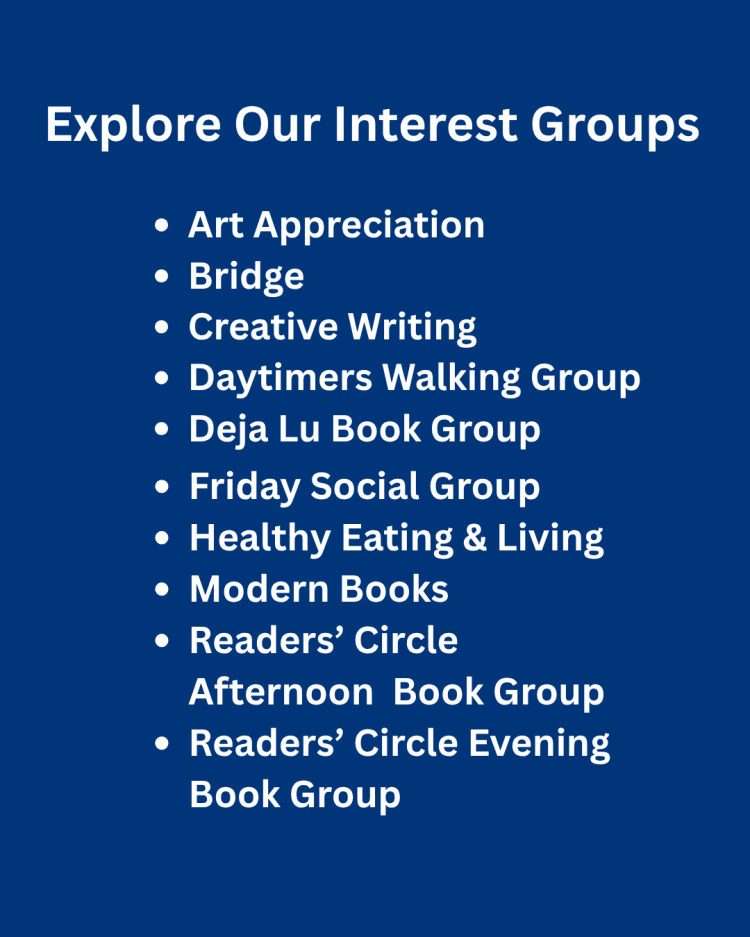
Looking to connect with local women who share your passions? From book clubs to art appreciation and walking groups, CFUW Hamilton offers vibrant interest groups for everyone Swipe through to see our groups and join us Oct 20 at 7:30 PM!
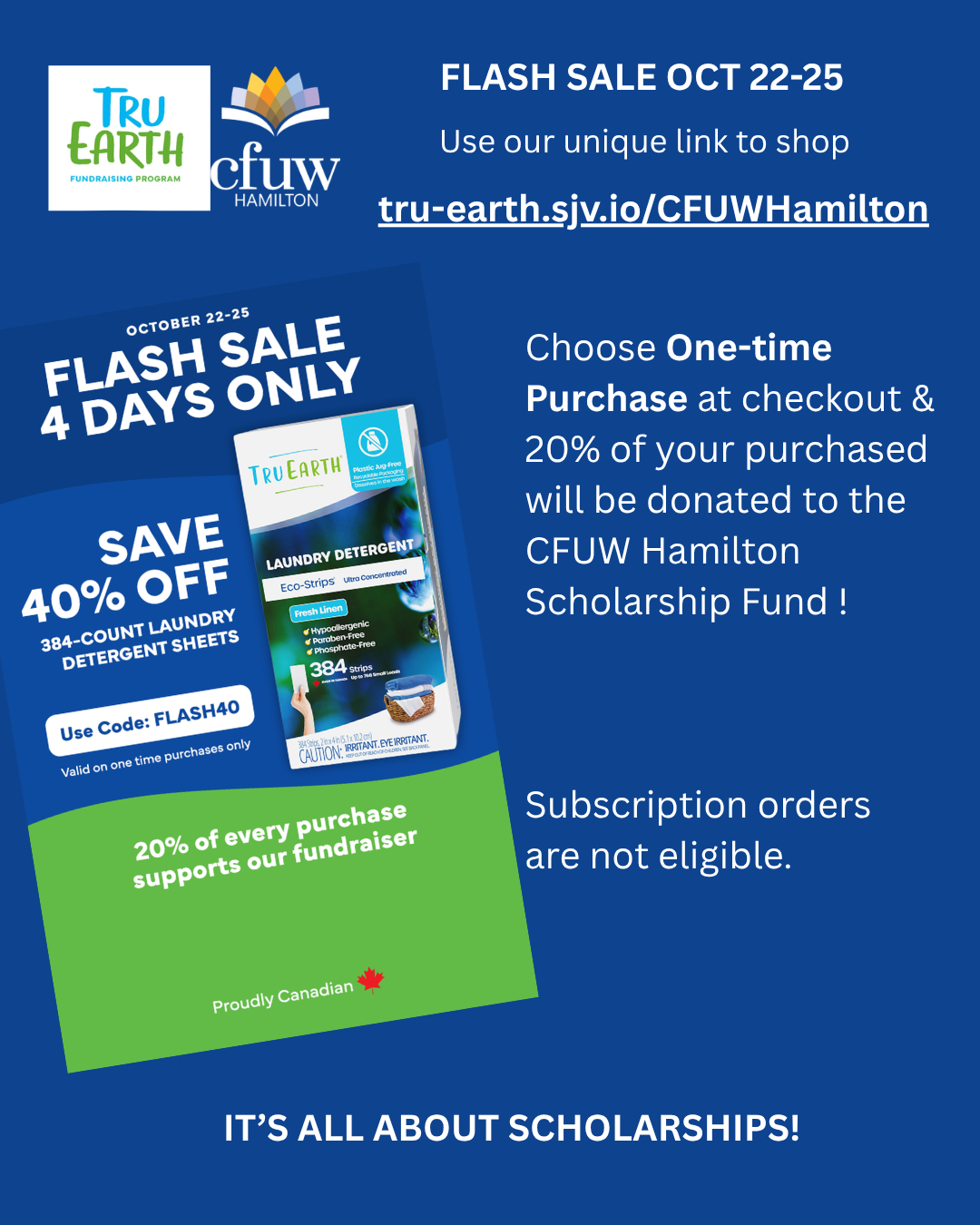
You may have noticed Tru Earth popping up on our social media feeds from time to time. A few members have asked why, so here’s the story.
It’s all about scholarships.
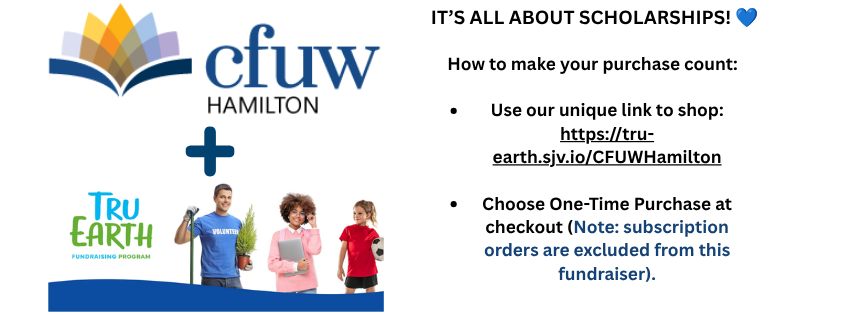
This year, CFUW Hamilton has committed $13,000 to scholarships, and every little bit helps. When you shop through our Tru Earth fundraising link, 20–30% of the value of your purchase comes back to the CFUW Hamilton Scholarship Fund.
How it started
We started fundraising with Tru Earth during the COVID shutdown, when many of our usual fundraising activities were on hold. Even when the mail was shut down, a little money continued to trickle into our scholarship fund.
The Executive felt Tru Earth was a good fit for CFUW Hamilton. After all, these are everyday household products, and choosing zero-waste alternatives is something we can feel good about while supporting scholarships at the same time.
And it has continued to add to our scholarship fund.
Want to make your purchase count?
If you already shop with Tru Earth, you can help CFUW Hamilton’s scholarship fund simply by using our fundraising link: https://tru-earth.sjv.io/CFUWHamilton
At checkout, be sure to select One-Time Purchase. Subscription orders are not included in the fundraiser.
So, the next time you see Tru Earth on our feed, you’ll know why we share it. It’s one small way to help us reach our $13,000 scholarship goal — and every little bit counts.
In 2021, women made up 35% of STEM bachelor’s degree holders among Canadians aged 25 to 64. Women with STEM degrees are more likely to be unemployed and have lower median salaries than men with STEM degrees.
Indigenous women are less likely than non-Indigenous women to have completed postsecondary education (54% vs. 71%) and are less likely to hold a bachelor’s degree or higher (16% vs. 37%).
Women continue to be over-represented in low-wage occupations – in 2022, 28% of women, compared to 16% of men, worked in the five lowest-paid occupations: in sales and service jobs, as care providers, and in administrative support roles.
In 2022, core-aged women (25 to 54) without disabilities had a higher employment rate (84%) compared to women with disabilities (73%)
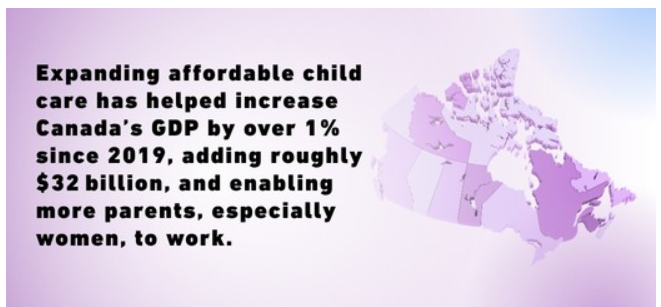
When women have equal access to education, skills training, and safe and inclusive workplaces, everyone benefits. Affordable child care, opportunities in growing sectors like AI and the green economy, and measures that help women succeed at work strengthen Canada’s talent pool, address labour shortages, boost productivity, and build a stronger economy.